Redesign Sprint
Let’s redesign your product, end to end.
I take on the whole job: finding out what isn’t working, deciding what to change, and designing every screen and detail, down to the brand and the design system. We work on it together, week by week. You get a working front end, not a set of pretty screens.
- Duration
- 2–4 weeks
- Price
- $3,000 USD a week
- Terms
- Paid a week at a time. You can stop after any week.
- Founding offer
- $2,400 USD a week3 of 3 places open: see the founding offer
Teams with a product people want and no designer.
Usually a small team with a live product and some proof people want it: users, revenue, funding, or customers you signed up by hand. There’s no designer, so nobody owns how the whole thing feels to use.
A good fit if
- People try it and don’t stay, and you’re not sure why.
- You want one person to take the whole thing on: research, product decisions and design.
- You have real users, or customers you onboarded yourself.
- The first version was built by engineers, or with AI tools, and it shows.
- You want a designer who can merge code to production, not one who hands over screens and leaves.
Probably not the right start if
- You don’t have a product yet. See the MVP Sprint
- You know what to build and need it designed, feature by feature. See the Design Partner plan
- You run a small business and want everyday work to take less time. See Custom Software
- Nobody has shown they want the product yet. A redesign can’t fix that, and I’ll say so on the call.
What it looks like from the inside.
- Demos go well. Then you send people the link and nothing happens.
- People sign up, look around and never come back, and nobody tells you why.
- You’ve added features, tips or a tour. The numbers didn’t move.
- You shipped a key feature, but people aren’t using it, and you haven’t had time to find out why.
- Support answers the same “how do I…” question every week.
- You know the product is good, but it doesn’t look or feel like it yet.
Where products lose people, and what I do about it.
These are the five places I look first. Yours may be somewhere else. Finding out is what week one is for.
- Where people get stuck:
The first five minutes
Time to value is too long. New users sign up, land on an empty screen, home page or dashboard, and don’t know what to do first.
What I doI rework the first run so people reach something useful quickly, with fewer steps and one clear next action.
- Where people get stuck:
The main job
The thing people came to do takes too many steps, or the next step isn’t clear.
What I doI map the flow the way users see it, cut what isn’t needed, and redesign the steps that confuse. I often look for ways to use technology that make the experience feel like magic.
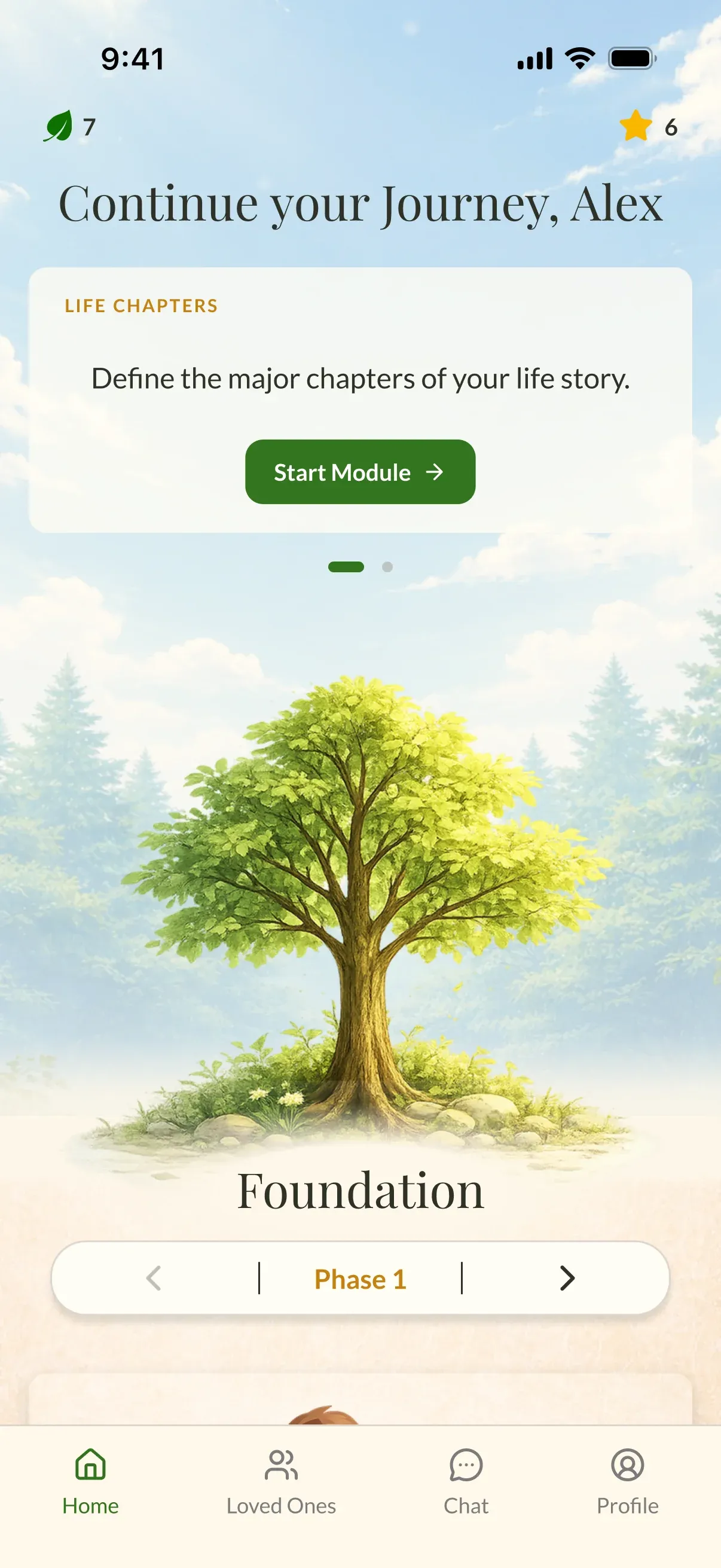
In LastingMind, I rebuilt the journey as modules people move through one at a time, so the next step is always clear. After the full redesign, weekly engagement doubled.
- Where people get stuck:
The reason to come back
People use it once and forget it. Nothing shows their progress or gives them a reason to return.
What I doI design what people see when they come back: what’s changed, what’s next, and a reason to stay.
In LastingMind, we explored different ways to motivate people to keep going, and built the ones that worked: rewards, phases and a tree that gives people real feedback on their progress.
- Where people get stuck:
The moment you ask for something
Paying, upgrading, inviting a teammate. The ask comes too early, or it isn’t clear what they get.
What I doI move the ask to where its value is obvious, and make that step simple.
- Where people get stuck:
The look and feel
The product doesn’t look like it was made for the people using it, and each screen looks a little different from the last.
What I doI rework the brand, the art direction and the design system, so the product feels made for its audience and stays consistent as it grows.
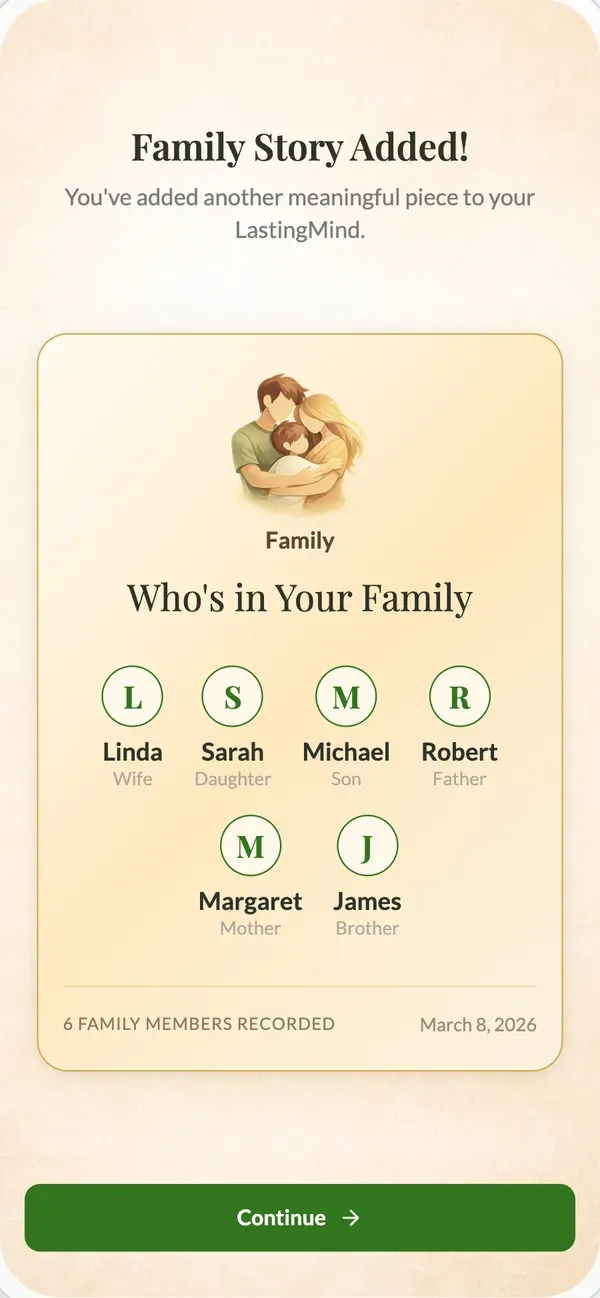
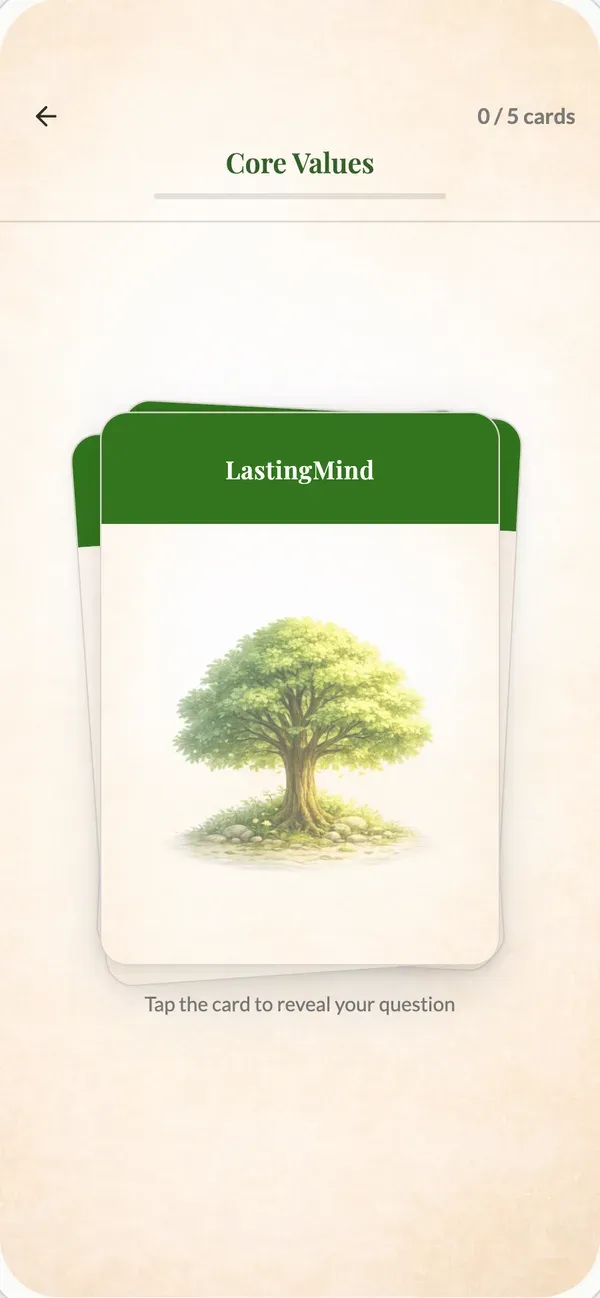
LastingMind was redesigned into something the people it’s for felt connected to.
What it costs to leave it
- Sign-ups you paid to get and didn’t keep.
- Engineering weeks spent on new features while the old ones lose people.
- Support time answering questions the product should answer itself.
I don’t know your numbers yet, so I won’t guess at them here. In week one we use yours.
How the weeks go.
One weekly price, paid a week at a time. You can stop after any week and keep what’s been made.
- Before we start
A free 30-minute call
Tell me about your product, what you think the problem is, and where you want to get to. If it’s a fit, we agree on how many weeks it needs, a start date, and what I need from you: access to the product, any usage data you have, and a few new users I can watch.
- Week one
Watch and plan
I watch up to five new people use your product on their own. I look at your data and support messages. You get the biggest problems, ranked, and a written scope for the rest of the sprint: what’s in and what’s out.
- End of week one
You decide
Go on, or stop here and keep the findings and the plan. You’ve paid for one week.
- The middle weeks
Redesign and test
I redesign the experience as a clickable front end, so you’re looking at the real thing and not pictures of it. That includes the brand and the design system where the product needs them. Where there’s a real choice, I build two or three directions and try them with real users. What we see decides which one goes on.
- Last week
Hand over
Your engineers get the clickable front end, with every screen and state worked out, and a walkthrough of what changed and why. If you’d rather I build it in your product, I open pull requests for your engineers to review. You get a list of what I’d do next.
What you have at the end.
- The redesigned experience, as a clickable front end your engineers build from, or built in your product if we agreed that.
- A design system your team can keep building with, where the product needs one.
- A clear account of the problem and what I found.
- What we tested, with how many people, and what we saw.
- A written list of what was in, what was out, and what I’d do next.
I won’t promise a number before I’ve seen your product. In week one we pick the one measure the redesign should move, so you can check it yourself once it’s live.
I’ve done this before. Here’s what four weeks covered.
I’m a product designer who builds, with a master’s degree in UX design from the University of Toronto. Research, design and working front-end code come from one person, so nothing gets lost in a hand-off. I’ve designed 0-to-1 products at Scope Labs and tested AI design tools for Netflix R&D with a small team.
LastingMind
Client project · August 2026
An app for saving family stories. People understood it when the founder walked them through it. People who downloaded it on their own didn’t, and didn’t stay. In about four weeks I redesigned the whole experience: onboarding, the home screen, the modules, a reward system and the animations. That’s more than ten flows, with a new brand, art direction and design system, so it felt made for the people it’s for. Along the way we tried about four versions of the conversation flows, several home screens and a couple of ways to structure what each phase opens up. The developer built the production iOS app from my coded prototype. Weekly engagement doubled, and 300+ people used it in the first month.
A project for a Scope Labs client. It’s the job the Redesign Sprint is built around.
Read the case study: LastingMind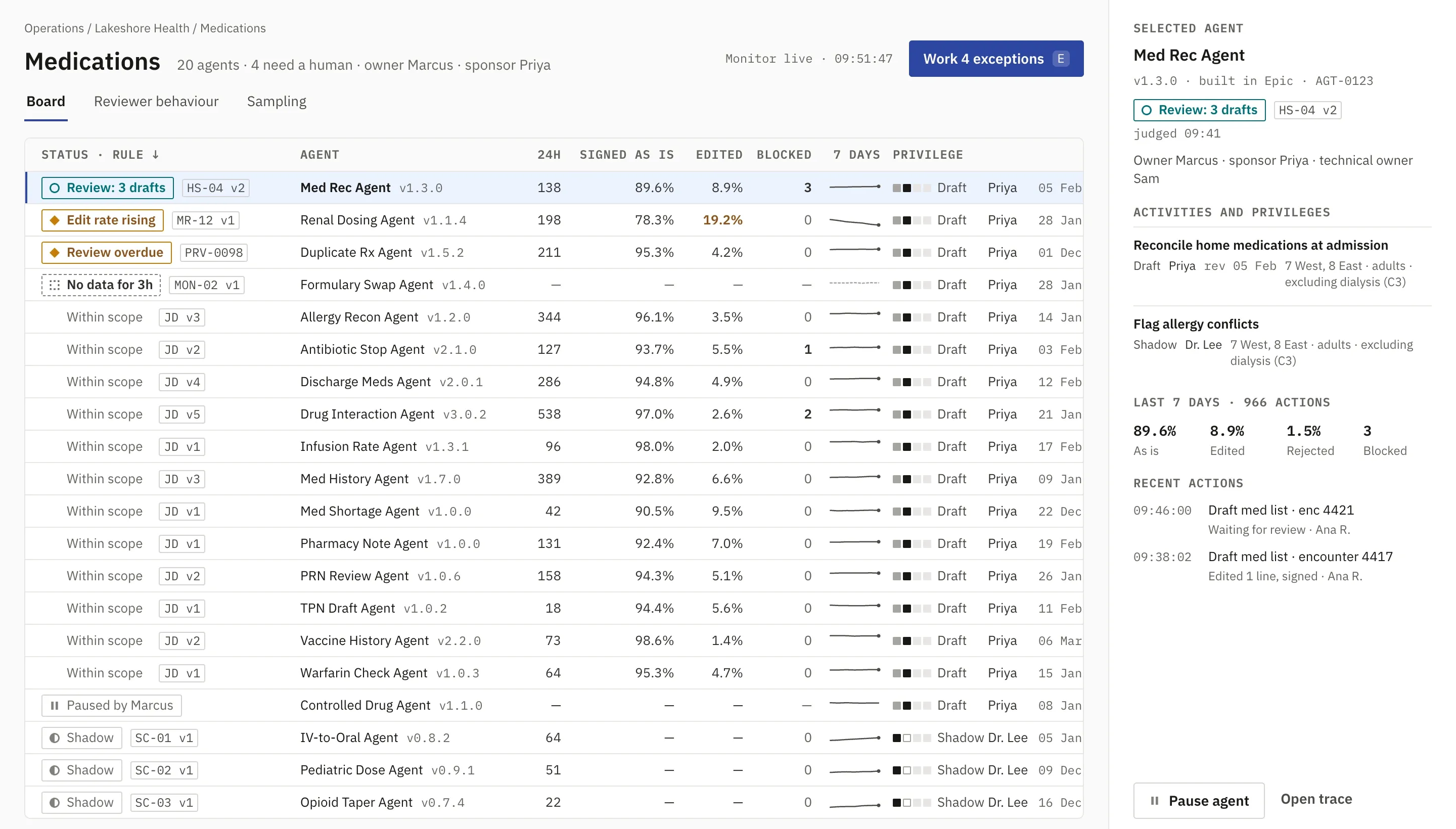
Agent Control Plane
Concept, not client work
AI agents now act, not just suggest, and most teams are still working out how to supervise them. The usual answer is a person approving every action. My research found that doesn’t hold up: with dozens of agents it turns into rubber-stamping, and in one recent study people caught only about one in five bad actions. So I designed something else. An agent is brought on the way a hospital brings on a clinician: a written job, named people who answer for it, hard limits it can’t cross, and privileges it earns on evidence and can lose. Two weeks, on my own, from nothing: research, product thinking, a design system and a working prototype.
It shows how I think through a complex product from the start.
Read the case study: Agent Control Plane“Since launching LastingMind 2.0, we’ve seen a substantial improvement in overall usage and engagement.”
“Stefan has a keen eye for design and user experience. He took both aspects very seriously and helped us significantly improve our digital product’s wireframe. He was able to translate our complex requirements into simple, intuitive, and effective interfaces.”
One weekly price. The number of weeks is agreed before we start.
$3,000 USD a week2–4 weeks
- Paid one week at a time.
- You can stop after any week and keep what’s been made.
- The files and the front-end code are yours.
Included
- Watching up to five new users in week one
- A written scope: what’s in and what’s out
- The redesign, as a clickable front end
- The brand, art direction and design system, where the product needs them
- Trying directions with real users
- A walkthrough for your engineers
- The build in your product as pull requests, if we put it in the scope
Founding offer3 of 3 places open
$2,400 USD a weekinstead of $3,000 USD a week
The Redesign Sprint is a new offer under this name. The first three clients pay $2,400 USD a week, 20% off. In exchange, I write up the project as a case study and you give a testimonial.
After those three, it’s the full price.
Not included
- The build in your product, unless we put it in the scope
- Work outside the written scope. It’s quoted separately, and nothing is added without your yes.
- Third-party costs
Want to keep going?
A Design Partner plan keeps your roadmap designed ahead of your engineers, from $3,500 USD a month. You can pause or cancel any month.
See the Design Partner planWhat happens next.
Book a free call
30 minutes on Google Meet. Tell me about your product, what you think the problem is, and where you want to get to.
We see if we’re a good fit
We talk through what it would take, and how many weeks it needs.
We set a start date
The weekly price is fixed, and nothing starts until we’ve both agreed.

Stefan Navarrete30 minutes on Google Meet. Bring an idea or a problem.