MVP Sprint
From an idea to a launched product.
For founders turning an idea into something people can use. In four to six weeks you have a working first version, with sign-in, data and hosting, and it’s yours.
- Duration
- 4–6 weeks
- Price
- From $16,000 USD
- Terms
- Paid in two parts. You can stop after the first.
- Founding offer
- 20% off3 of 3 places open: see the founding offer
Founders building a first version.
You know the problem well and you can say who it’s for. You don’t have a designer and a developer yet, or you don’t want to manage several people to get one product built.
A good fit if
- You can name who it’s for and the one thing it has to do.
- You want something real people can sign in to and use, not a set of mock-ups.
- You’d rather test the core idea in a week or two than find out after launch.
- You want to own the code, the files and the accounts.
- You may have built a first version yourself already. Bring it. It’s the best brief there is.
Probably not the right start if
- Your product is already live and people aren’t staying. See the Redesign Sprint
- You need a tool for your own business, not a product to sell. See Custom Software
- You already have engineers and a roadmap, and need the features designed. See the Design Partner plan
Getting a first version built shouldn’t be this hard.
- An agency quoted more than you expected. You’d hand it over, wait, and hope it comes back as the thing in your head.
- You built a first version with AI. It runs, but it doesn’t look or feel like something people would trust.
- You’ve looked at cheaper teams you’ve never met, and you can’t tell who to trust. You’ve heard what it costs when it goes wrong.
- You don’t know whether to hire a designer or a developer first, and both are expensive.
- You have a long list of features, and no clear idea which to build first.
Where first versions go wrong, and what I do instead.
Four things I watch for on a first build.
- What goes wrong:
Building before testing
Months go into a full build before anyone outside the team has tried the idea.
What I do insteadThe first part is a working prototype of your core flow, tested before anything bigger gets built. If the answer is no, you can stop there.
- What goes wrong:
Too much in version one
Every feature feels essential, so the first version tries to do everything.
What I do insteadWe pick the one flow the product stands on and build that properly. The rest goes on a list for later.
- What goes wrong:
The hand-off
Design and build sit with different people, and things get lost between them.
What I do insteadOne person does both. What you approve in the prototype is what gets built.
- What goes wrong:
Not owning it
The code lives in someone else’s account, on a setup only they understand.
What I do insteadSign-in, data and hosting are set up in your accounts. Nothing is locked to me, so another developer can take over at any point.
How the four to six weeks go.
Two parts, each paid separately, with a point in between where you can stop.
- Before we start
A free 30-minute call
Tell me the idea and who it’s for. If it’s a fit, we agree on a fixed price, a timeline and a start date.
- First 1–2 weeks
Shape it and test it
We shape your core flow and test it as a working prototype with real people. What we see sets the scope and the price of the build.
- The checkpoint
You decide whether to build
You’ve seen the core flow working and how it tested. Go ahead with the build, or stop here and keep the prototype and what we learned.
- Then 3–4 weeks
Build it and launch it
I build and launch your first version, with sign-in, data and hosting. You see working builds as we go.
- Launch
It’s yours
The product is live. The code, the files and every account belong to you.
What you have at the end.
- A working first version, live, that real people can sign in to and use.
- The whole product, not just the screens: the back end, the database and the APIs behind it.
- A core flow that was tested before it was built.
- The code, front end and back end, the design files and every account, from hosting to the domain, in your name.
- A list of what to build next.
After launch it’s up to you. Some products run fine on their own. If you want to keep improving yours, a Design Partner plan keeps new features designed ahead of your engineers. If you’d just like it kept running, we can talk about a care plan.
I’ve taken a product from first sketch to working app.
I design and build. AI tools are a big part of why a first version takes four to six weeks, and the decisions stay with me: what gets built and how it feels to use.
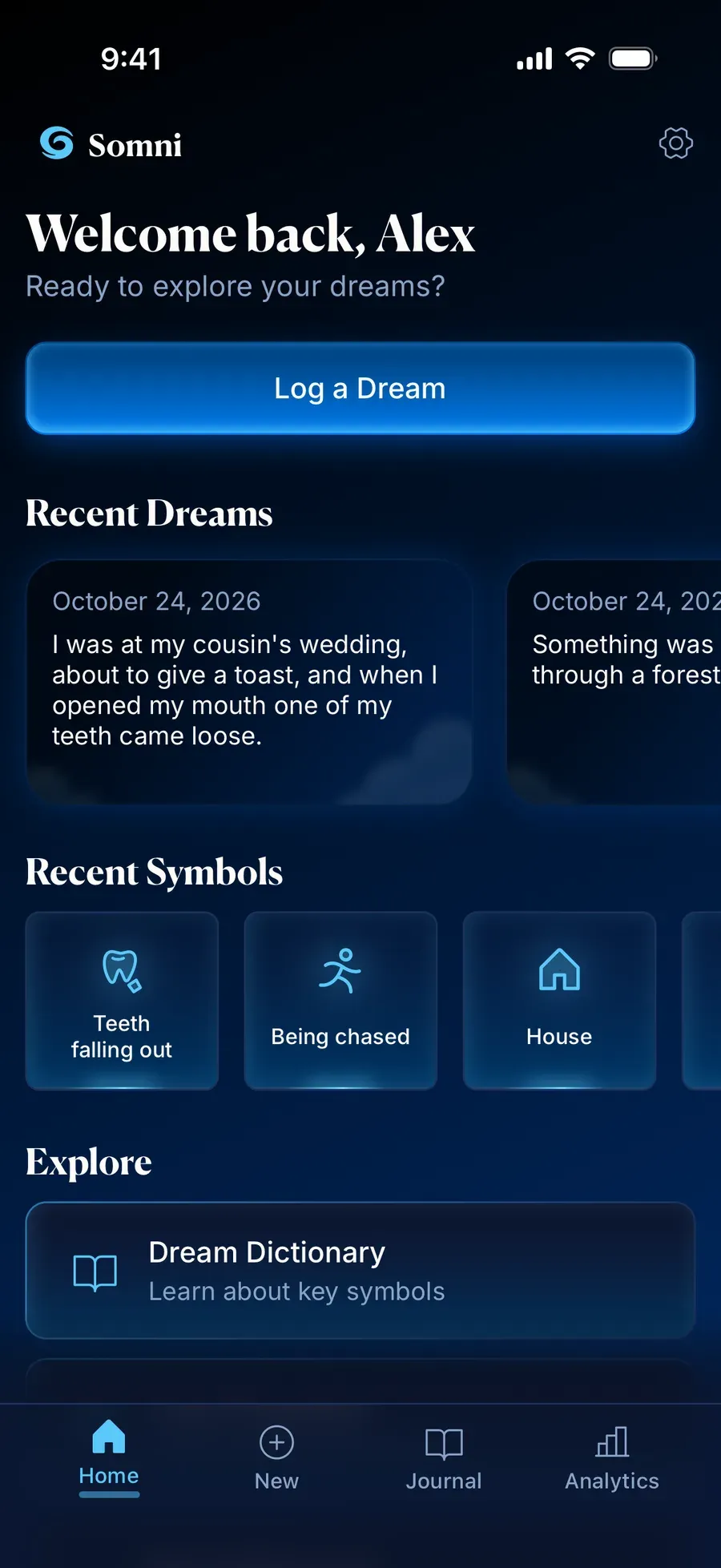
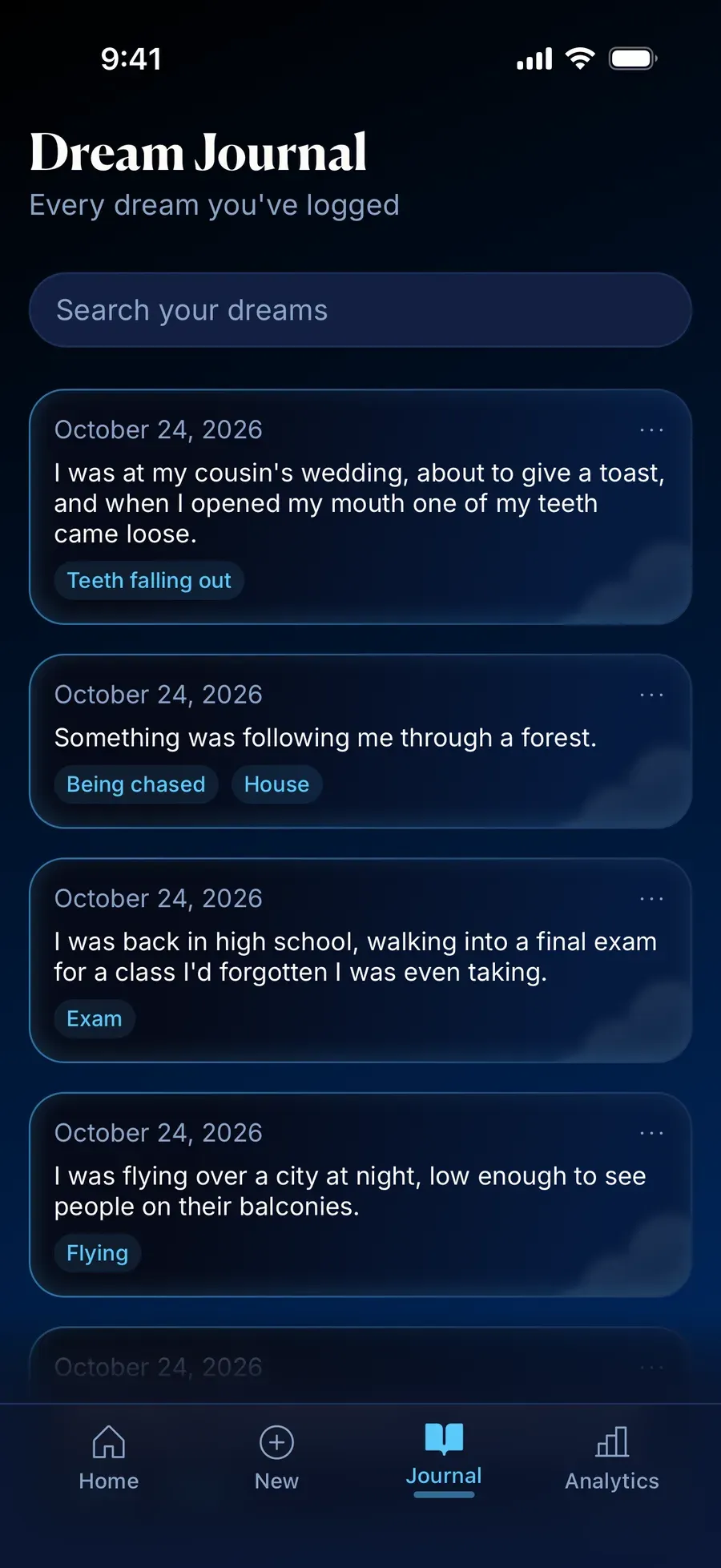
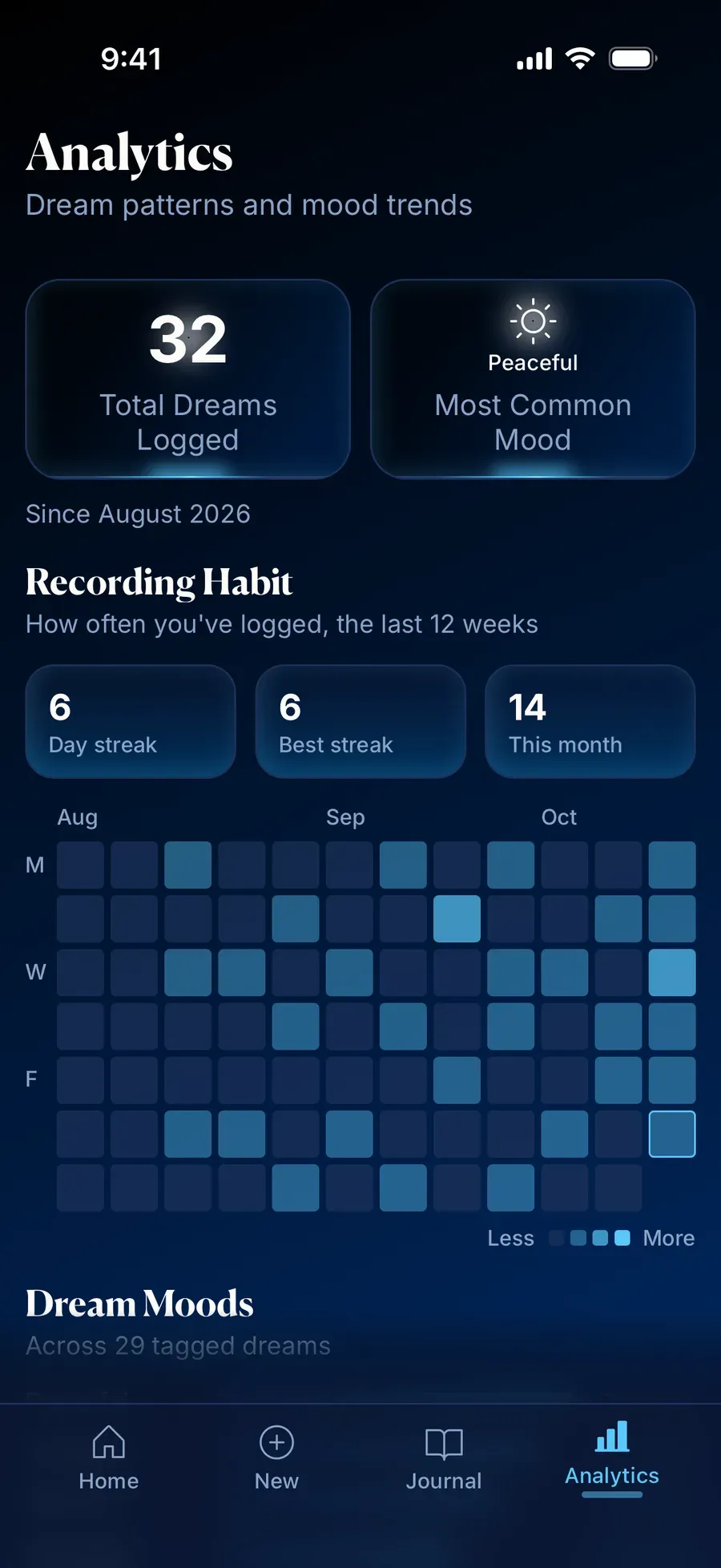
Somni
Solo build
An AI dream journal you talk to when you wake up. I designed and built it myself, from first sketch to working app.
Read the case study: Somni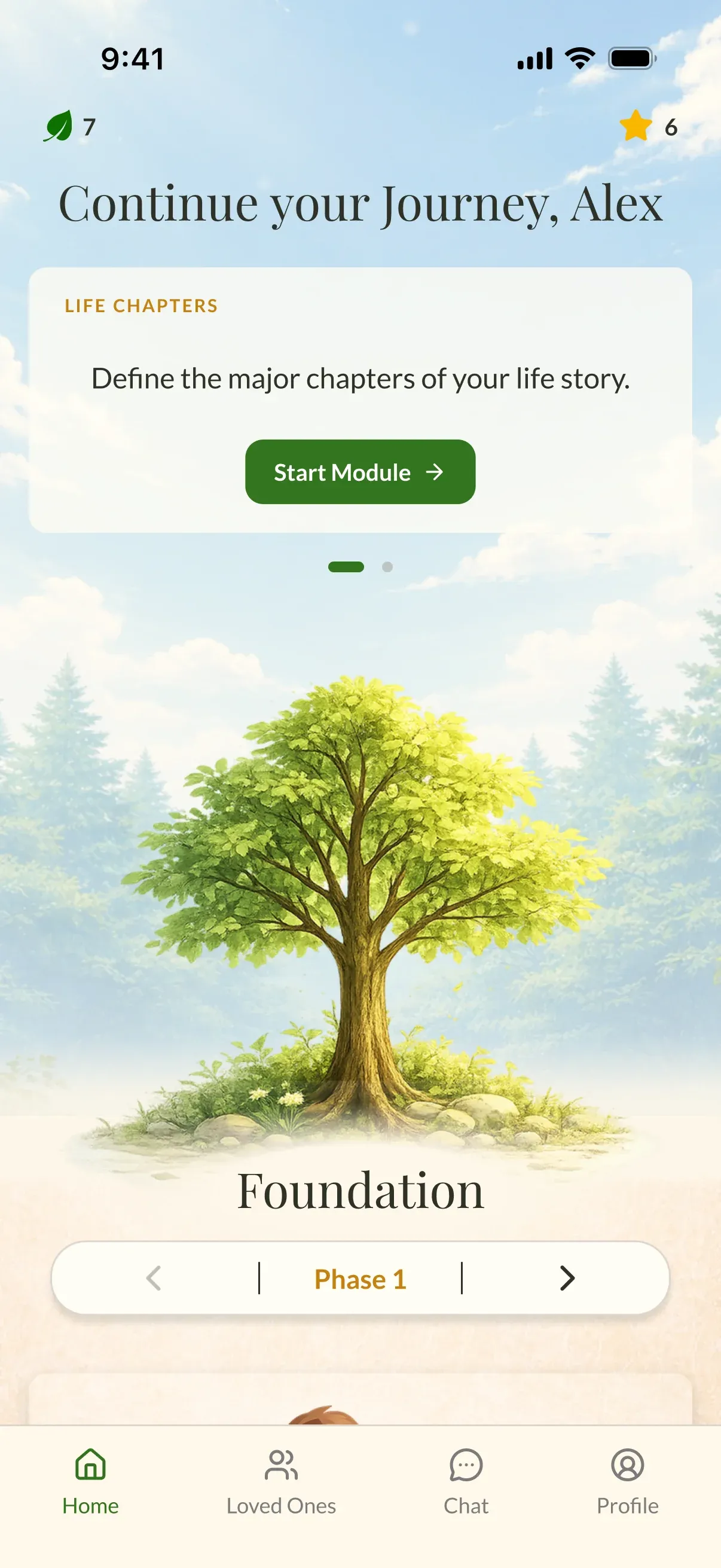
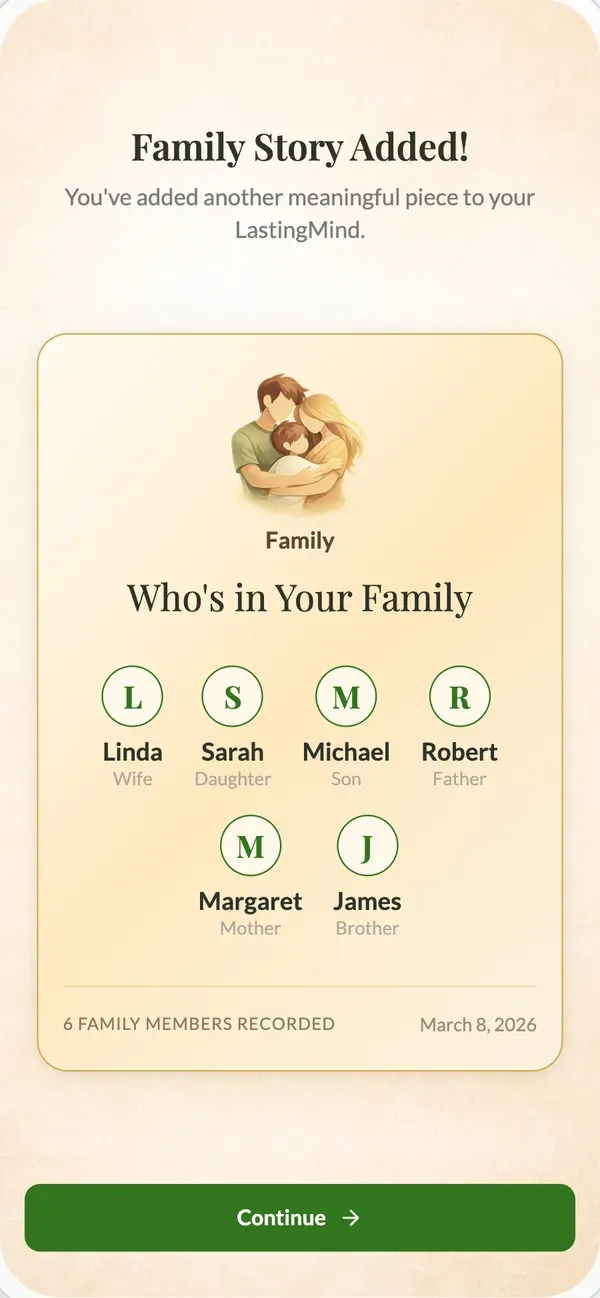
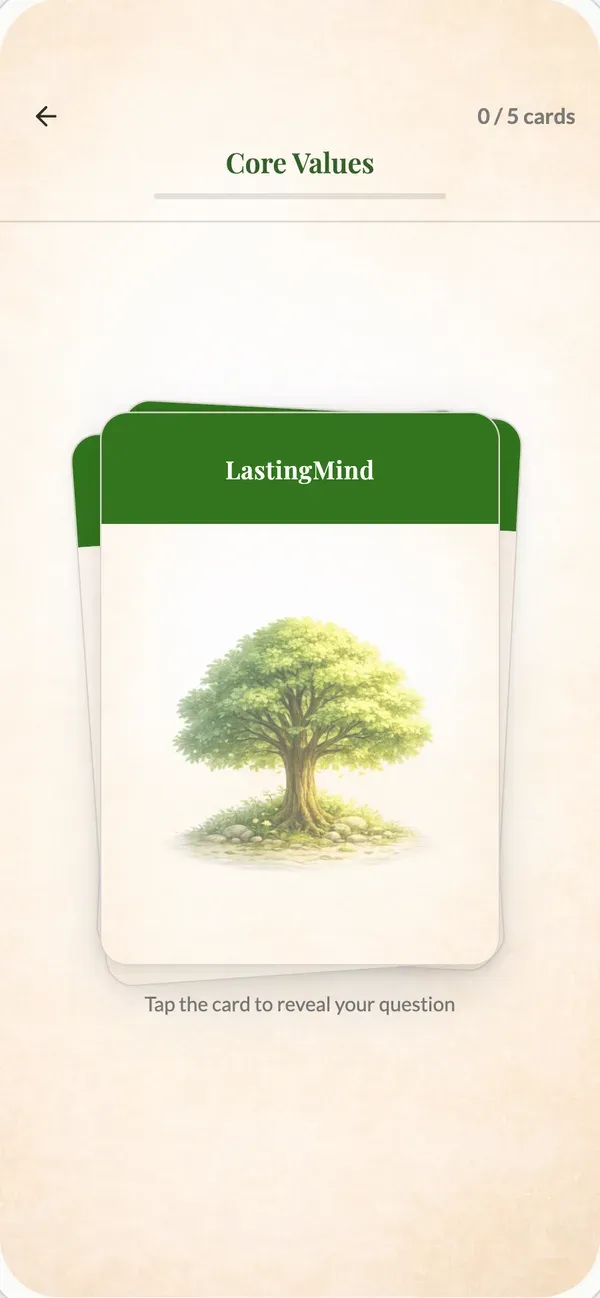
LastingMind
Client project · August 2026
I designed the app end to end in four weeks and handed the developer a coded prototype instead of a design spec. The production iOS app was built from it and launched on the App Store in August 2026.
A project for a Scope Labs client. Scope Labs engineers built the production app.
Read the case study: LastingMind“Stefan has a keen eye for design and user experience. He took both aspects very seriously and helped us significantly improve our digital product’s wireframe. He was able to translate our complex requirements into simple, intuitive, and effective interfaces.”
A fixed price, agreed before we start.
From $16,000 USD4–6 weeks
- Paid in two parts.
- You can stop after the first.
- The exact price depends on what your first version needs.
Included
- A working prototype of your core flow, tested
- Your first version, built and launched
- Sign-in, data and hosting, in your accounts
- The code and design files
Founding offer3 of 3 places open
20% off
The MVP Sprint is a new offer. The first three clients get 20% off. In exchange, I write up the project as a case study and you give a testimonial.
After those three, it’s the full price.
Not included
- Third-party costs, such as hosting fees
- Features beyond the agreed first version
- Ongoing support after launch, unless you add a plan
What happens next.
Book a free call
30 minutes on Google Meet. Bring the idea, however rough.
We see if we’re a good fit
We talk through what it would take, and whether an MVP Sprint is the right step.
We set the price and a start date
Both are agreed before any work starts.

Stefan Navarrete30 minutes on Google Meet. Bring an idea or a problem.